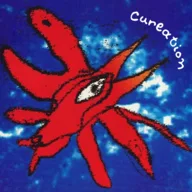
The Cure: Raw edges, mixed results
The self-titled album pushes The Cure toward a harsher, more immediate sound, gaining force while sacrificing some of their mystery.
Calling an album The Cure after twenty-five years suggests a statement of essence. The music complicates that expectation immediately. Working with Ross Robinson, the band adopts a raw, pressurised sound associated more with his heavy-rock productions than with The Cure’s carefully layered atmosphere. Performances are pushed to the foreground; drums hit hard, vocals strain, guitars crowd the frame.
Inside the record
At its best, the approach creates genuine urgency. “Lost” begins in confusion and swells into anger, Robert Smith’s repeated final line gaining force through discomfort. “Before Three” finds melody inside the abrasive mix, and “The End of the World” is a strong pop song wearing rougher clothes. “Anniversary” slows the record into a more recognisably haunted space. Elsewhere, particularly when the writing leans on volume as its main argument, the compression can flatten the emotional distinctions that usually make a Cure album breathe.
The self-titled record is easier to admire than to love consistently. It is not a band coasting; the performances are too exposed and the stylistic choice too risky for that. But Robinson’s insistence on immediacy sometimes removes the distance in which Smith’s songs become uncanny. The Cure remains a valuable detour, with several excellent songs and a clear refusal to curate a comfortable legacy. Its frustrations are the frustrations of an experiment pursued seriously.